How to Get an Alcohol License in South Carolina Without Delays or Costly Mistakes
If you are wondering how to get an alcohol license in South Carolina, you are not alone. Many restaurant owners, bar operators, brewery founders, retailers, and hospitality businesses assume the licensing process is mostly paperwork. But in reality, obtaining a South Carolina liquor license often involves far more than simply filling out forms.
Ownership disclosures, permit selection, location requirements, operational details, and agency review can all affect whether your application moves forward smoothly—or gets delayed, denied, or flagged for additional scrutiny. Understanding the alcohol license requirements in SC before applying can help you avoid expensive mistakes.
Step 1: Determine Which Alcohol License or Permit You Need
One of the first mistakes business owners make is applying for the wrong license. South Carolina offers different alcohol licenses and permits depending on your business type and operations. Common examples include licenses or permits for:
- Restaurants serving beer, wine, or liquor
- Bars and nightclubs
- Breweries and taprooms
- Convenience stores and grocery retailers
- Package stores and liquor stores
- Hospitality and event venues
The license you need depends on factors such as:
- What alcohol you plan to sell
- Whether customers consume on-site or off-site
- Hours of operation
- Business structure and ownership
- Local zoning and location restrictions
Choosing the wrong license can create unnecessary delays or require reapplication.
Step 2: Understand South Carolina Alcohol License Requirements
Before approval, regulators evaluate more than just your application form. Key alcohol license requirements in SC may include:
- Complete ownership disclosure
- Background and principal information
- Business entity documentation
- Lease or property ownership records
- Tax compliance
- Location and zoning review
- Required permits and filings
This is where many business owners encounter unexpected problems. For example, ownership interests that seem minor may still require disclosure. Changes in business structure, investors, or management can also trigger additional review. Even incomplete or inconsistent documentation can slow the process.
Step 3: Prepare for the Application Review Process
After submission, your application typically goes through regulatory review. This process may involve questions about:
- Ownership structure
- Financing arrangements
- Operational plans
- Prior licensing history
- Property issues
- Compliance concerns
Many owners underestimate how detailed this review can become. What looks like a “simple application” can quickly become complicated when regulators identify missing information or inconsistencies. That is why alcohol licensing is rarely just paperwork. It is a legal and regulatory process.
Common Reasons Alcohol License Applications Get Delayed
If you want to avoid delays when applying for a South Carolina liquor license, watch for these common issues:
Incomplete Ownership Disclosures
Failing to identify all required principals, investors, or ownership interests can trigger delays.
Wrong License Selection
Applying for the wrong permit often leads to rework and wasted time.
Missing Documentation
Incomplete forms, missing signatures, or outdated records can stall approval.
Location Problems
Zoning restrictions or property-related issues may create complications.
Operational Changes During Review
Changing ownership, operations, or business structure mid-process can create new requirements. These issues are often preventable with proper planning.
How Long Does It Take to Get an Alcohol License in South Carolina?
This is one of the most common questions business owners ask. The honest answer: it depends. Timeline varies based on:
- License type
- Application completeness
- Ownership complexity
- Regulatory review issues
- Agency workload
- Local requirements
Simple applications may move relatively smoothly. More complex applications involving ownership changes, disclosures, or operational concerns often take longer. The biggest delays usually come from avoidable mistakes—not the agency itself.
Why Working With an Attorney Can Help
Business owners often try to save money by handling licensing alone, relying on online research, or asking other owners for advice.
The problem is that every situation is different. Advice that worked for another business may not apply to yours. Working with an attorney who understands South Carolina alcohol regulation can help you:
- Identify hidden risks early
- Choose the correct license
- Avoid preventable delays
- Respond strategically to agency questions
- Improve application readiness
Small mistakes during licensing can become expensive later.
Final Thoughts on Getting an Alcohol License in South Carolina
If you are trying to figure out how to get an alcohol license in South Carolina, remember this:
The goal is not simply to file paperwork.
The goal is to secure the right license with fewer delays, fewer surprises, and stronger protection for your business. Because when alcohol sales are tied directly to revenue and operations, licensing mistakes can become costly very quickly. Proper preparation can help you move forward with greater clarity and confidence.
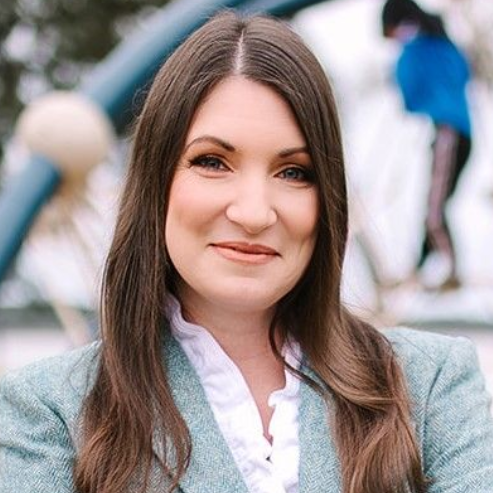
Article by Lauren Acquviva, a former South Carolina Department of Revenue attorney who spent 6 years handling alcohol enforcement matters.